4 min readBy Noble Clinic
High Blood Pressure: The Silent Killer You May Not Feel Until It's Too Late
High blood pressure often develops without noticeable symptoms, making it one of the leading causes of heart disease, stroke, and kidney disease. Learn who is at risk, the warning signs to watch for, how to prevent hypertension, and when to seek medical care. Discover how Noble Primary Care & Weight Management Center helps patients achieve healthier blood pressure through personalized, evidence-based care.
High Blood Pressure: You May Not know Until It's Too Late
By Noble Primary Care & Weight Management Center
High blood pressure (also called hypertension) affects nearly half of adults in the United States, yet millions don't know they have it. Because it often causes no symptoms, hypertension is known as the "silent killer." Left untreated, it can quietly damage your heart, brain, kidneys, and blood vessels for years before a serious complication occurs.
The good news is that high blood pressure is one of the most preventable and treatable health conditions. Early detection, healthy lifestyle choices, and appropriate treatment can significantly reduce your risk of heart attack, stroke, kidney disease, and heart failure.
What Is High Blood Pressure?
Blood pressure is the force of blood pushing against the walls of your arteries. It is measured using two numbers:
Systolic pressure (top number): the pressure when your heart beats.
Diastolic pressure (bottom number): the pressure when your heart rests between beats.
According to the American College of Cardiology (ACC) and the American Heart Association (AHA):
Normal: Less than 120/80 mmHg
Elevated: 120–129 and less than 80 mmHg
Stage 1 Hypertension: 130–139 or 80–89 mmHg
Stage 2 Hypertension: 140/90 mmHg or higher
Why Is It Called the "Silent Killer"?
Most people with high blood pressure feel completely normal. You may not experience headaches, dizziness, or any other warning signs until significant damage has already occurred.
Over time, uncontrolled hypertension can injure your arteries and increase your risk of:
Heart attack
Stroke
Heart failure
Kidney disease
Vision loss
Peripheral artery disease
Cognitive decline and dementia
Who Is at Risk?
Anyone can develop high blood pressure, but your risk increases if you:
Are over age 40
Have a family history of hypertension
Are you overweight or obese
Eat foods high in sodium
Are physically inactive
Smoke or use tobacco products
Drink excessive alcohol
Have diabetes, high cholesterol, or kidney disease
Experience chronic stress
Can High Blood Pressure Be Prevented?
In many cases, yes. Healthy habits can make a significant difference.
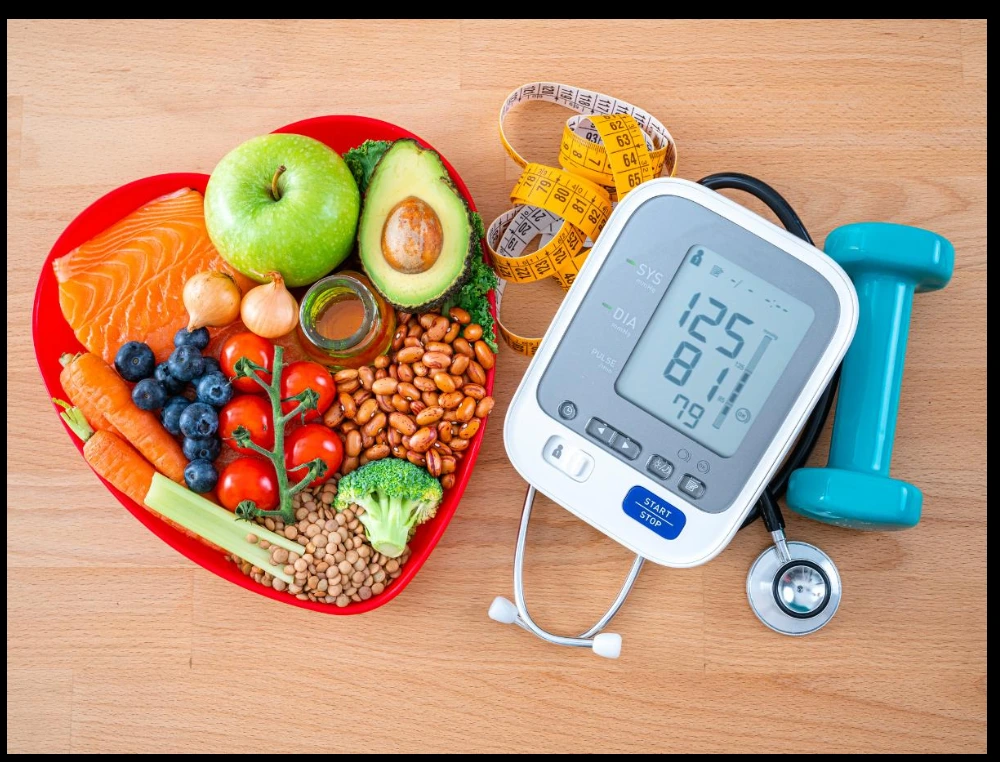
Eat a Heart-Healthy Diet
Choose fruits, vegetables, whole grains, lean proteins, beans, nuts, and low-fat dairy products. Limit processed foods and reduce sodium intake.
Stay Active
Aim for at least 150 minutes of moderate physical activity each week, such as brisk walking, cycling, or swimming.
Maintain a Healthy Weight
Even modest weight loss can lower blood pressure and reduce strain on the heart.
Quit Smoking
Smoking damages blood vessels and greatly increases your risk of heart disease and stroke.
Limit Alcohol
If you drink alcohol, do so in moderation.
Manage Stress
Practice healthy stress-management techniques such as exercise, prayer, meditation, deep breathing, or spending time with loved ones.
When Should You Check Your Blood Pressure?
You should have your blood pressure checked regularly, especially if you:
Are you age 18 or older
Have a family history of hypertension
Have diabetes
Have kidney disease
Are overweight
Have previously had elevated blood pressure
Home blood pressure monitors can also help you and your healthcare provider monitor your progress.
When Should You See a Healthcare Provider?
Schedule an appointment if:
Your blood pressure is consistently 130/80 mmHg or higher
You experience frequent elevated readings at home
You have risk factors for heart disease
You have questions about lifestyle changes or medication
Seek emergency medical care immediately if your blood pressure is 180/120 mmHg or higher and you have symptoms such as chest pain, shortness of breath, severe headache, confusion, vision changes, or weakness on one side of the body.
How Noble Primary Care & Weight Management Center Can Help
At Noble Primary Care & Weight Management Center, we provide comprehensive care to help you achieve and maintain healthy blood pressure.
Our services include:
Blood pressure screening
Heart disease risk assessment
Medication management
Nutrition and lifestyle counseling
Weight management
Diabetes and cholesterol management
Preventive health screenings
Personalized follow-up care
Our goal is not only to treat high blood pressure but also to help prevent the serious complications it can cause.
Take Charge of Your Heart Health Today
High blood pressure is common, but it doesn't have to control your life. Knowing your numbers and partnering with a trusted healthcare provider are important steps toward protecting your long-term health.
If you haven't had your blood pressure checked recently, now is the perfect time to schedule an appointment.
Noble Primary Care & Weight Management Center is here to help you and your family stay healthy through prevention, early detection, and personalized care.
References
American Heart Association. Understanding Blood Pressure Readings. https://www.heart.org
American College of Cardiology & American Heart Association. 2024 Guideline for the Management of High Blood Pressure.
Centers for Disease Control and Prevention (CDC). High Blood Pressure. https://www.cdc.gov/high-blood-pressure
National Heart, Lung, and Blood Institute. High Blood Pressure. https://www.nhlbi.nih.gov